A botched rhinoplasty can affect the aesthetics of the face and breathing ability. In this article, we explore what a botched rhinoplasty looks like and the ideal procedures to correct it.
Rhinoplasty is one of the most popular plastic surgeries and is performed to improve the appearance and, sometimes, the function of the nose. However, as with any surgical procedure, there is a possibility that the results will not be as expected.
What does a botched rhinoplasty look like?
A botched rhinoplasty can present a variety of aesthetic and functional problems. Here are some of the most common symptoms or results:
1. Nasal asymmetry
One of the most obvious signs of a failed rhinoplasty is asymmetry. This can manifest as a nose that is not centered, nostrils of different sizes or shapes, or a nasal bridge that is not straight.
2. Deformed nasal tip
The tip of the nose can appear bulbous, pointed, drooping, or even crooked. These problems can appear due to incorrect surgical technique or improper healing.
3. Irregular nasal bridge
The bridge of the nose can have an irregular appearance, with bumps, depressions, or an unnatural curvature. This can be caused by incorrect removal of cartilage or bone during surgery.
4. Nasal valve collapse
A serious functional problem is nasal valve collapse, which can occur if too much cartilage is removed during rhinoplasty. This can cause significant breathing difficulties.
5. Visible scarring
Visible scars on the outside of the nose can be a sign of a poorly performed rhinoplasty.
Ideal procedures to correct a botched rhinoplasty
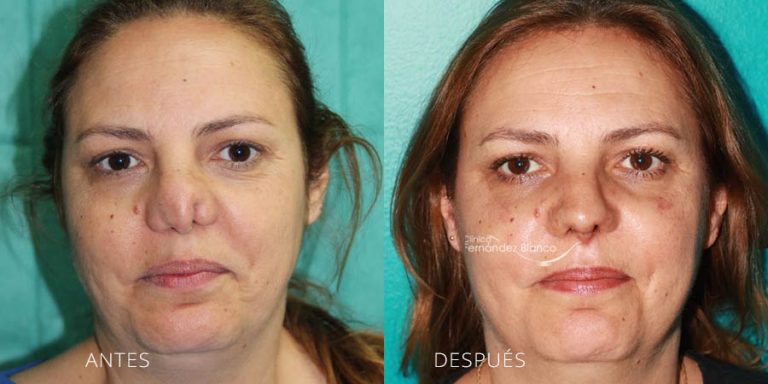
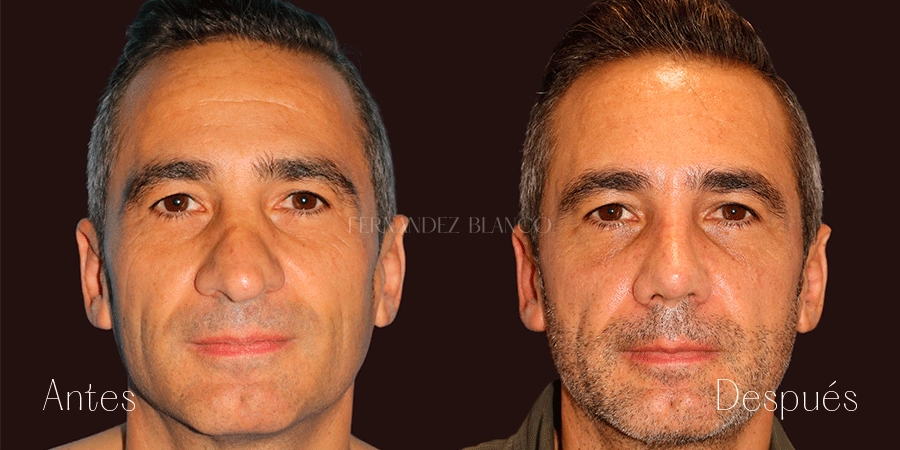
The possibility of correcting a poorly executed rhinoplasty depends on the experience and skill of the plastic surgeon. Fortunately, at Clínicas Fernández Blanco we have Alfredo Fernández, a pioneer in reparative or secondary surgeries and one of Spain’s most outstanding authorities when it comes to correcting botched rhinoplasties.
These are some of the most ideal procedures to correct them::
1. Revision rhinoplasty
A revision rhinoplasty is a secondary surgery performed to correct problems caused by the first operation. This procedure is generally more complex than the original rhinoplasty due to prior scarring and alteration of the nasal anatomy.
2. Cartilage grafts: Botched rhinoplasty
To correct deformities or structural problems, surgeons can use cartilage grafts.
3. Nasal tip correction
If the nasal tip is deformed, it may be necessary to perform a specific correction of this area, which may involve reshaping the tip cartilage to improve its shape and symmetry.
4. Nasal valve reconstruction: Botched rhinoplasty
For functional problems such as nasal valve collapse, reconstruction may involve the use of cartilage grafts to reinforce the internal nasal walls and improve breathing.
5. Scar treatment
Visible scars can be treated with advanced scar-healing techniques and minor surgical revisions to improve their appearance.
6. Fillers and non-surgical treatments
In some cases, dermal fillers can be used to correct minor irregularities without the need for additional surgery. These treatments are temporary, but they offer a less invasive solution.
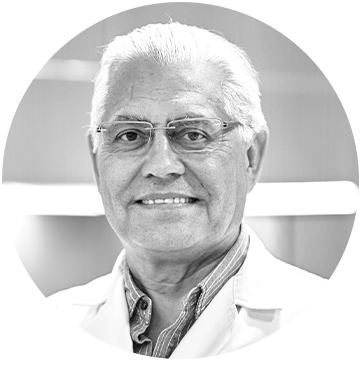
Dr. Alfredo Fernández Blanco
The plastic surgeon Dr. Alfredo Fernandez Blanco stands out in his branch of medicine, as the best breast surgeon, he is also a pioneer in the so-called secondary surgeries or sequelae. With more than 30 years of experience and thousands of successful cases, he continues to achieve the most natural results that can be expected in a cosmetic surgery operation.