Deep Plane Facelift
Face Lift
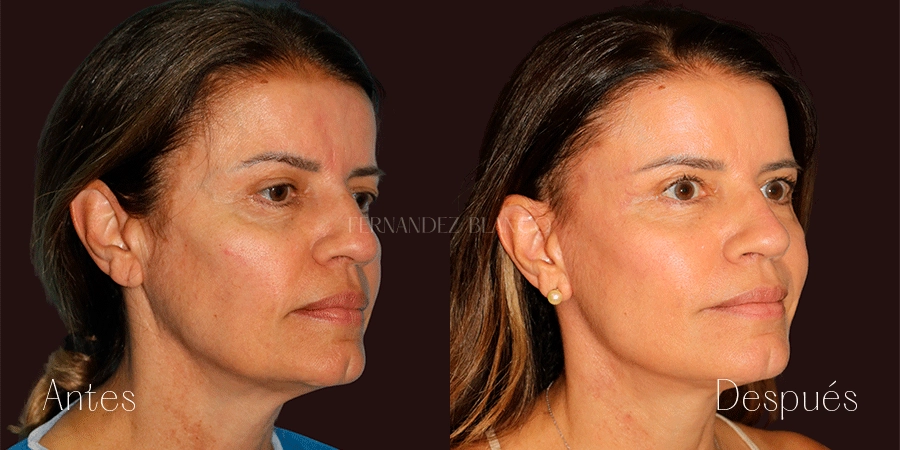
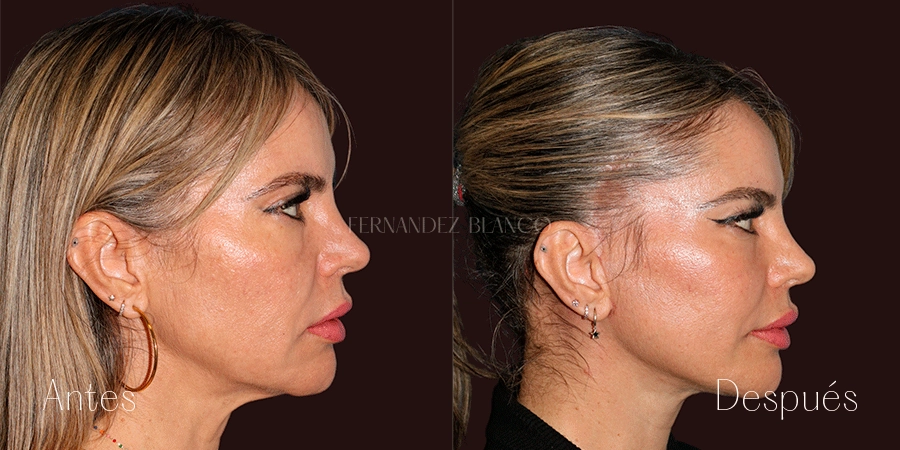
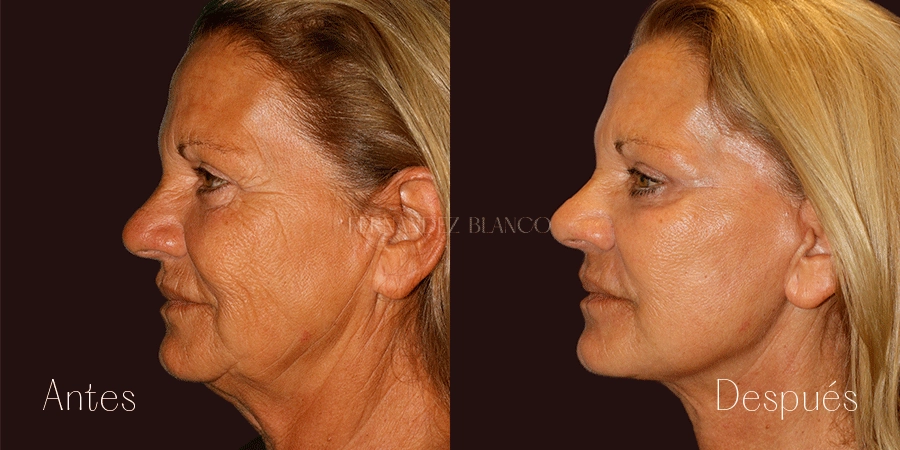
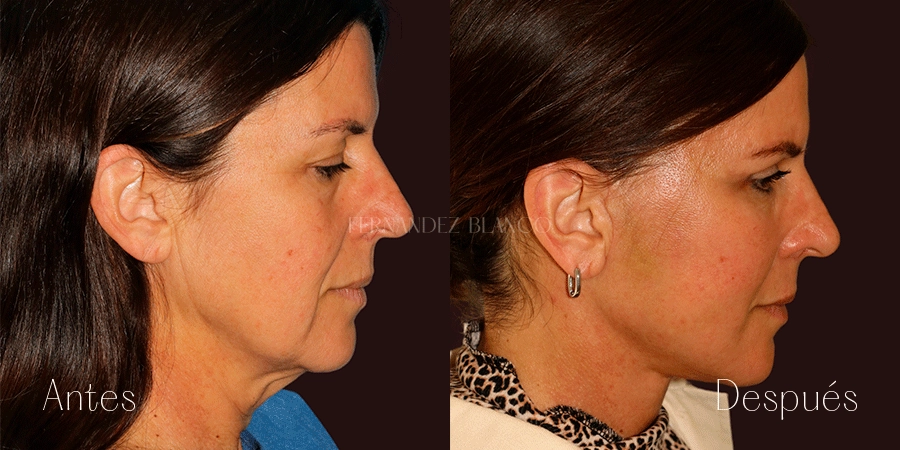
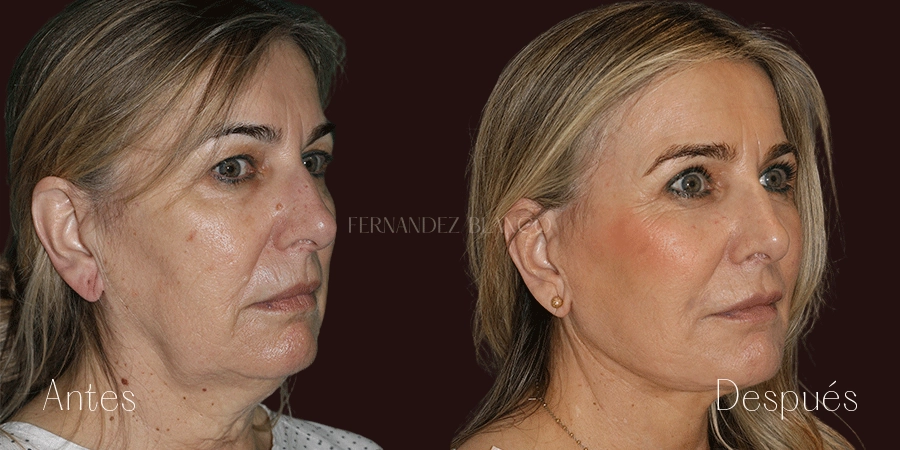
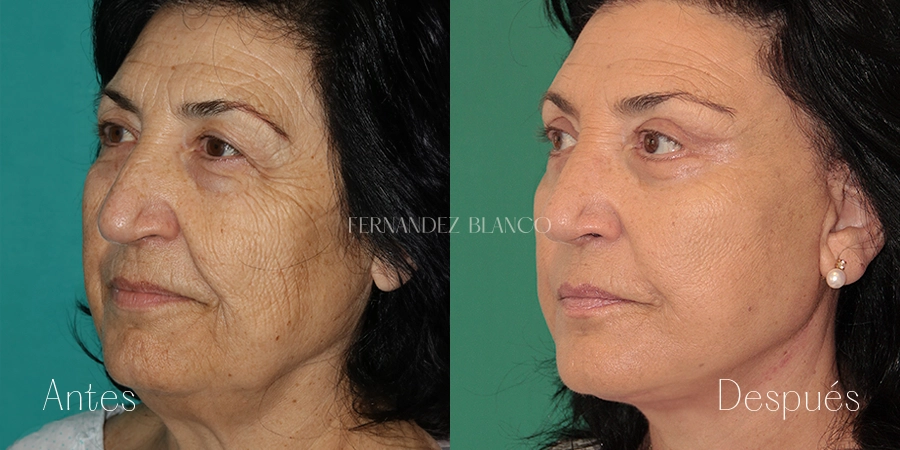
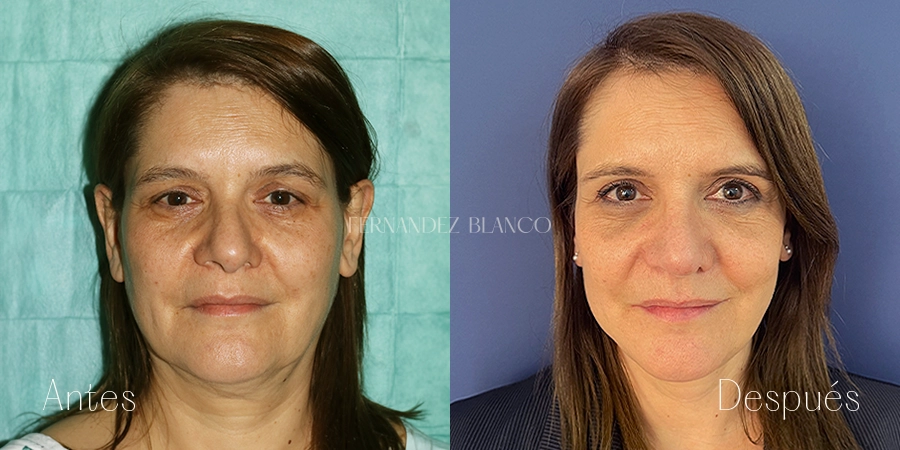
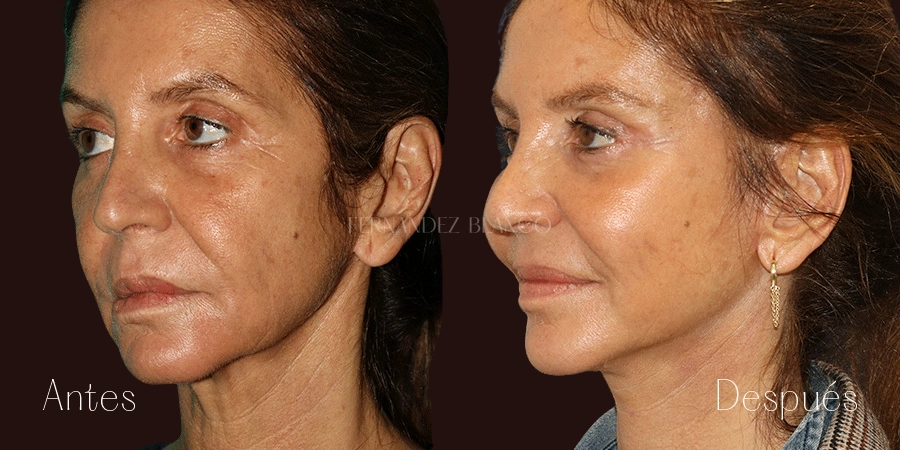
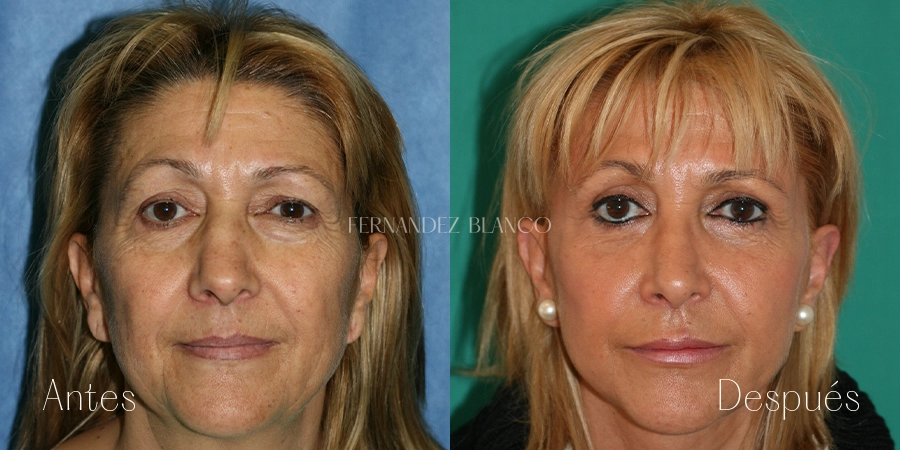
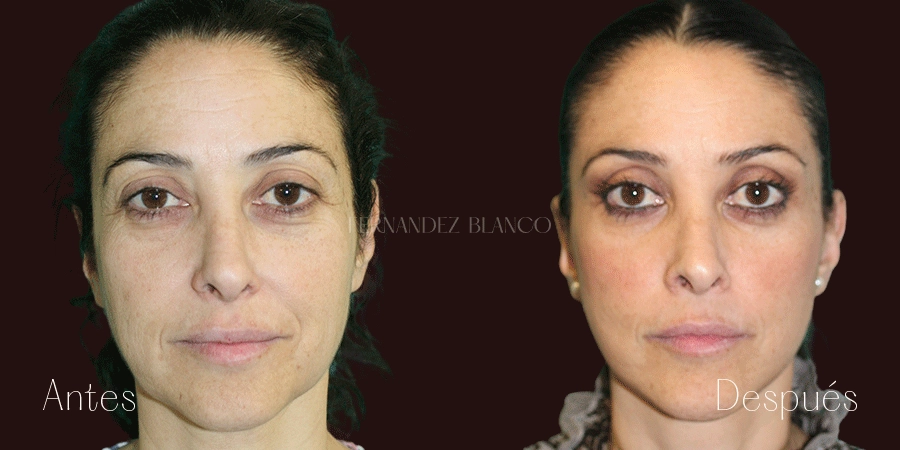
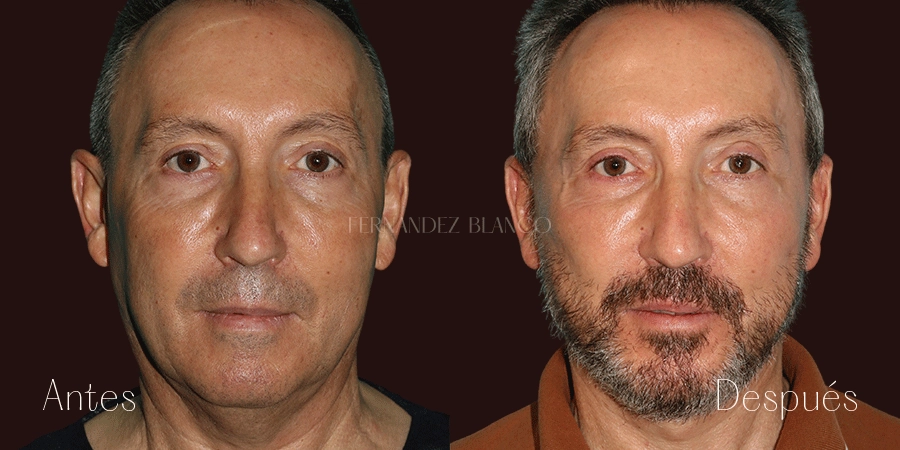
The deep plane facelift is an advanced surgical technique that rejuvenates the face from its deeper layers.
Unlike traditional facelifts that only tighten the skin, this procedure repositions muscles and fatty tissues located beneath the SMAS (Superficial Musculoaponeurotic System). By releasing facial ligaments and restructuring deeper anatomy, it achieves a more stable, natural, and long-lasting correction. The result is not a tight or artificial look, but a refreshed, rested, and harmonious appearance that preserves the patient’s unique facial identity.
At Clínica Fernández Blanco, we specialize in deep plane facelift surgery. This technique requires advanced training and refined surgical skill, and only a handful of surgeons in Spain perform it regularly. Our experience and commitment to natural results position us as a trusted reference in advanced facial rejuvenation.
This procedure at Clínica Fernández Blanco is performed by certified doctors.
At Clínica Fernández Blanco, we specialize in deep plane facelift surgery. This technique requires advanced training and refined surgical skill, and only a handful of surgeons in Spain perform it regularly. Our experience and commitment to natural results position us as a trusted reference in advanced facial rejuvenation.
This procedure at Clínica Fernández Blanco is performed by certified doctors.
TYPE OF ANESTHESIA
General anesthesia
RECOVERY TIME
15 days
DEFINITIVE RESULT
1 month
Cases
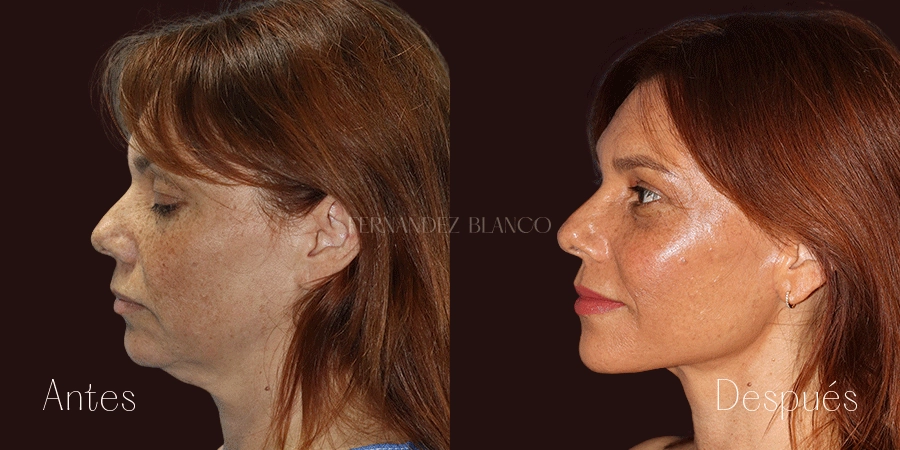
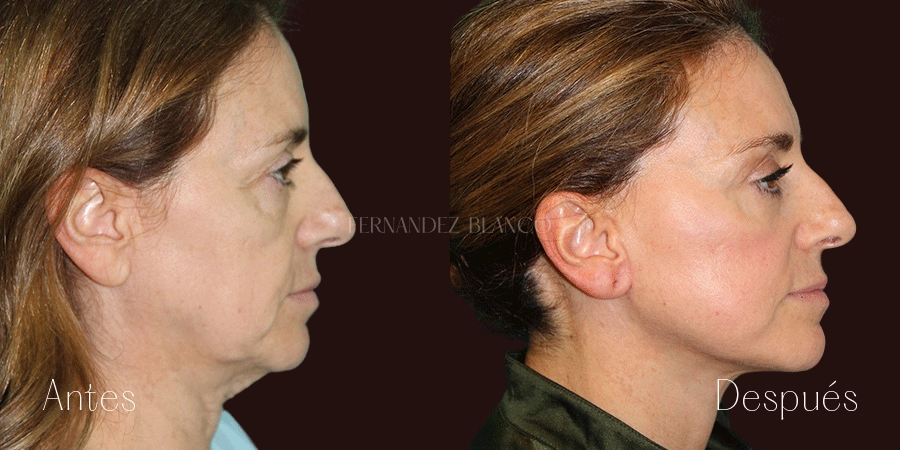
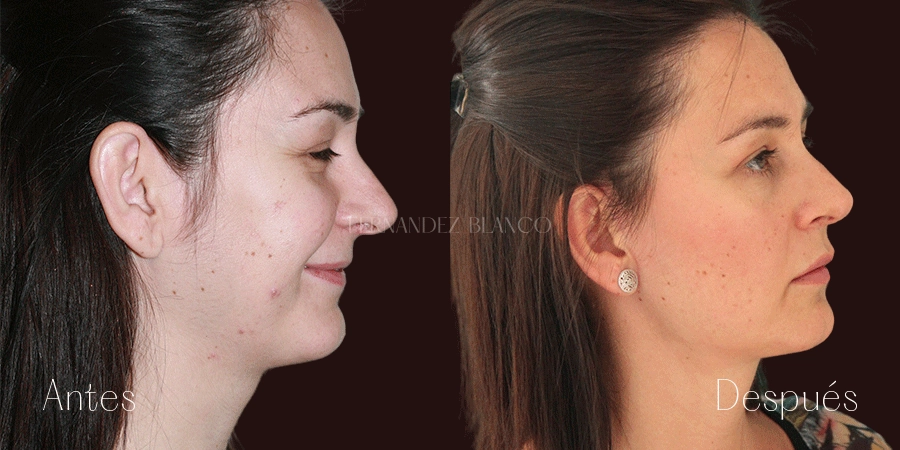
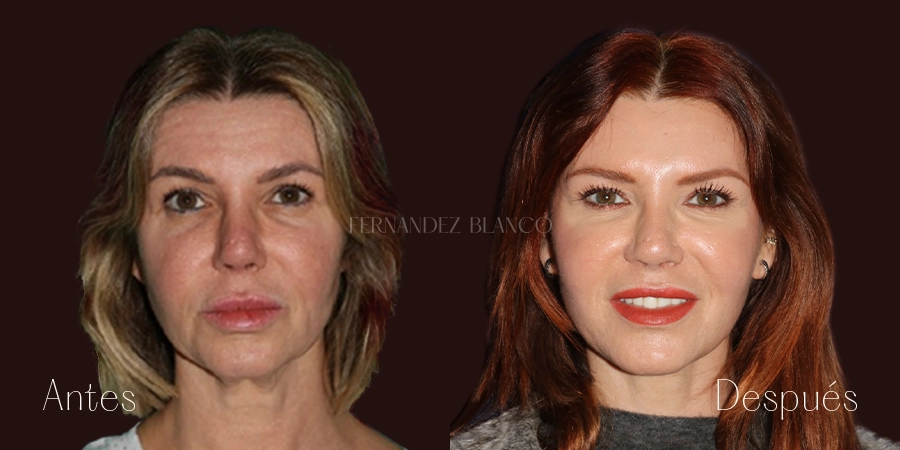
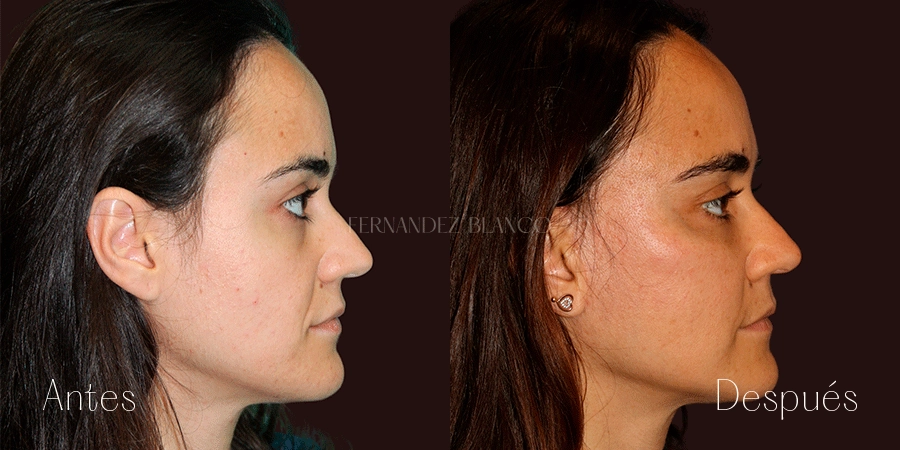
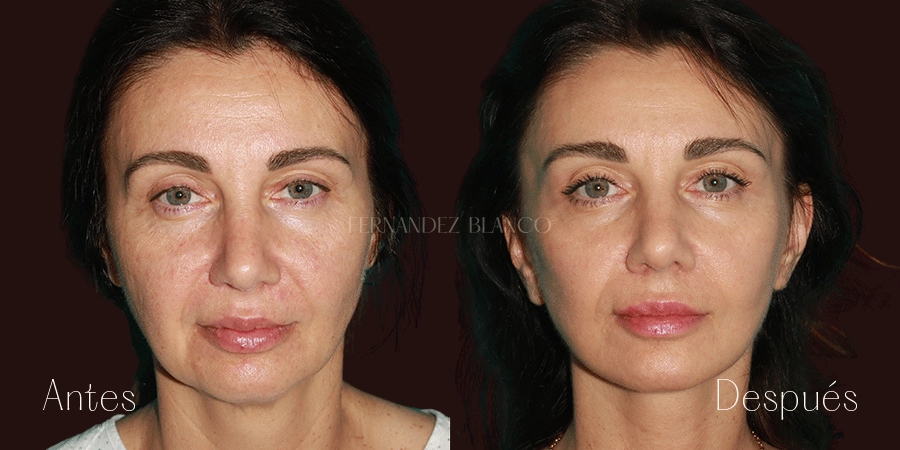
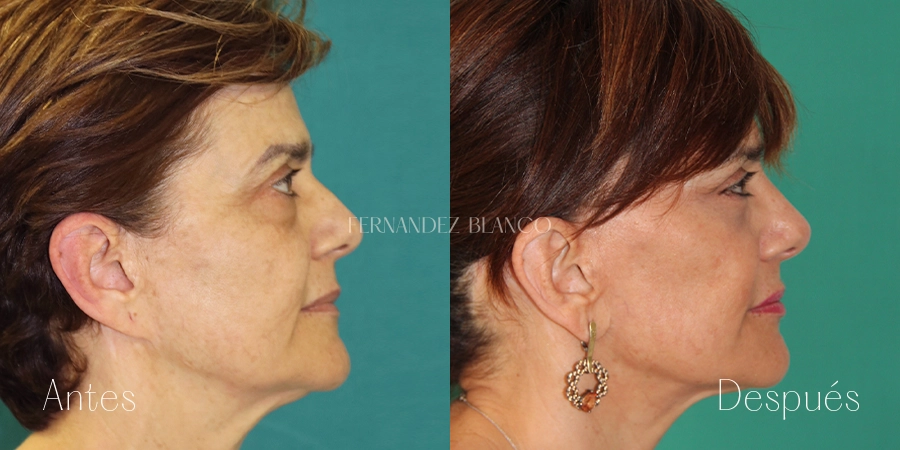
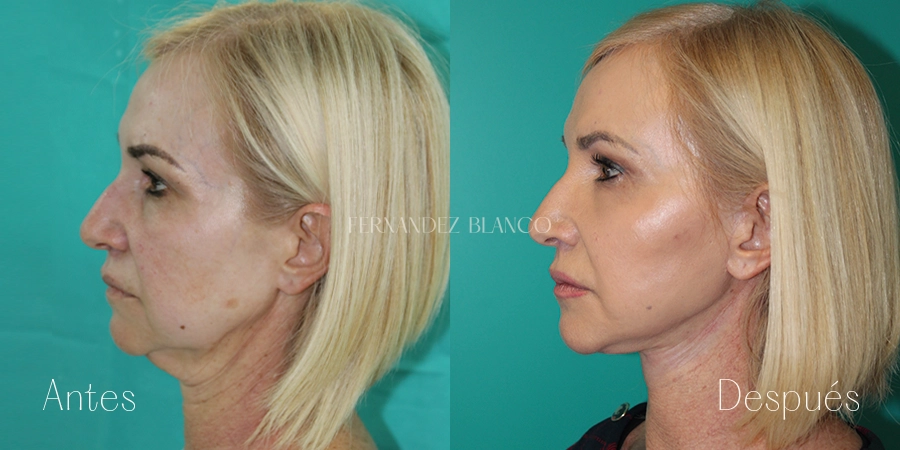
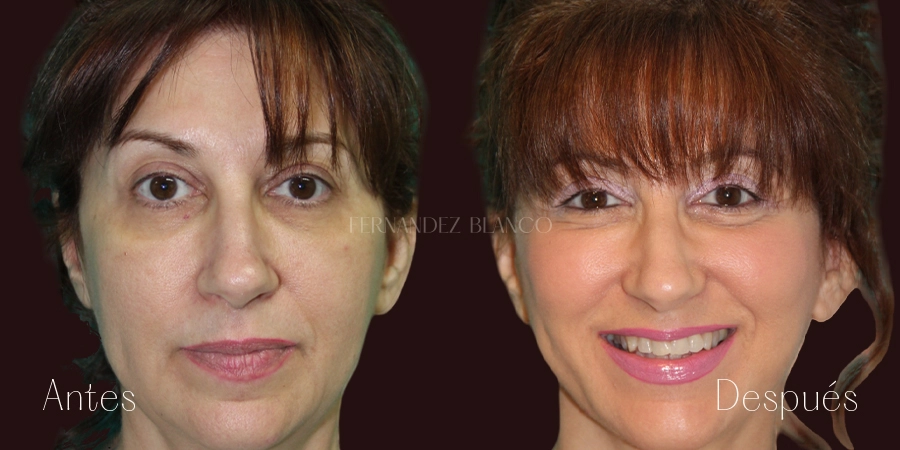
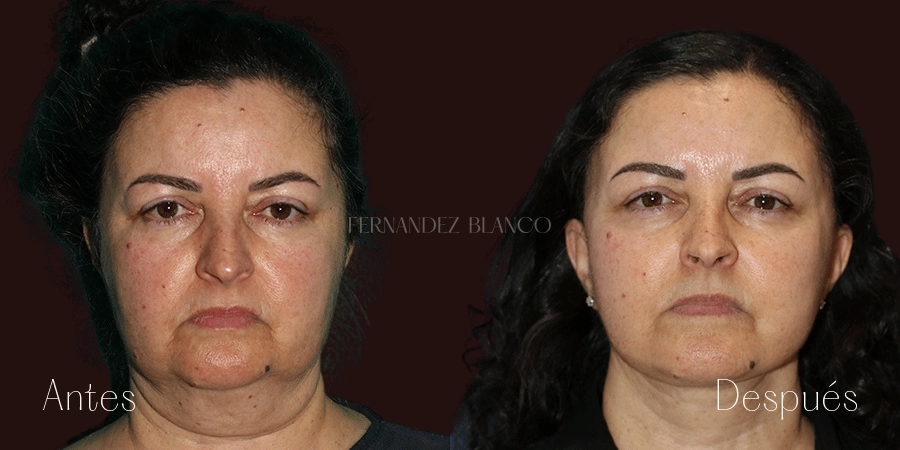
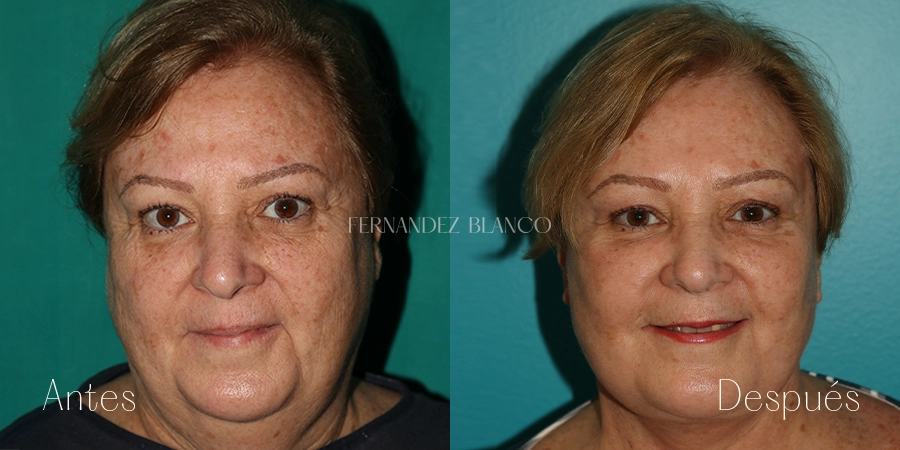
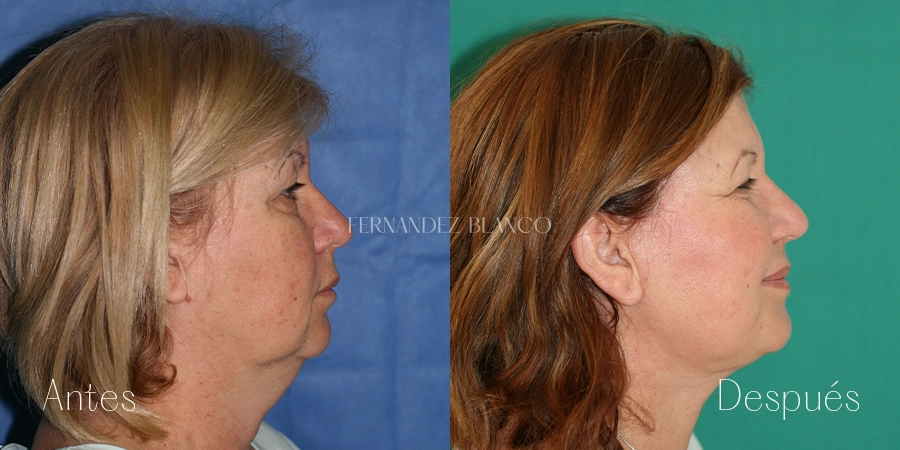
Process
BENEFITS
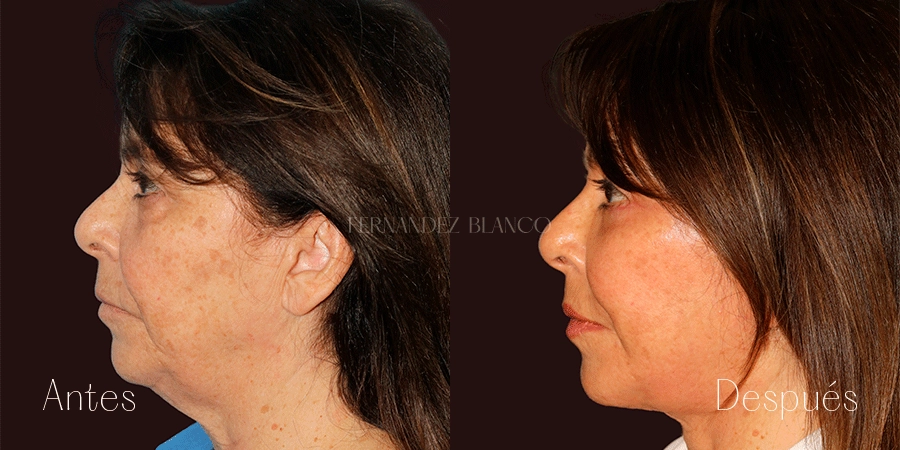
The deep plane facelift offers significant advantages over traditional techniques. Rather than simply tightening the skin, it works beneath the SMAS layer to reposition muscles and fatty tissues. This allows for a more precise restoration of facial anatomy, preserving natural expression and avoiding the “pulled” look.
By releasing facial ligaments, it improves jawline definition, softens nasolabial folds. Thanks to the stability of the repositioned tissues, results remain visible for over a decade, evolving naturally with the aging process.
By releasing facial ligaments, it improves jawline definition, softens nasolabial folds. Thanks to the stability of the repositioned tissues, results remain visible for over a decade, evolving naturally with the aging process.
POST-OPERATORY
After the procedure, the dressings are removed after 24 hours and replaced with a compression garment designed to stabilize the tissues in their new anatomical position and control postoperative swelling. This garment is worn for 7 to 15 days, depending on the patient’s individual recovery. Sutures are usually removed between days 8 and 10.
Recovery after a Deep Plane Facelift is generally painless and relatively quick, lasting approximately 10 to 15 days, depending on the extent of the facial areas treated. When the procedure involves several areas of the face, swelling may persist for approximately 10 days, while bruising usually resolves within two weeks. In cases of a partial facelift, the recovery period is shorter.
Depending on the areas treated, the scars are concealed within the scalp and behind the ears. If incisions in front of the ears are required due to the area being treated, the intradermal suturing technique used by our surgeons makes them virtually imperceptible within one month after surgery.
Recovery after a Deep Plane Facelift is generally painless and relatively quick, lasting approximately 10 to 15 days, depending on the extent of the facial areas treated. When the procedure involves several areas of the face, swelling may persist for approximately 10 days, while bruising usually resolves within two weeks. In cases of a partial facelift, the recovery period is shorter.
Depending on the areas treated, the scars are concealed within the scalp and behind the ears. If incisions in front of the ears are required due to the area being treated, the intradermal suturing technique used by our surgeons makes them virtually imperceptible within one month after surgery.
Frequently Asked Questions
How long do the results of a deep plane facelift last?
Results from a deep plane facelift can remain visible for over 10 years. By repositioning the deeper facial structures, this technique offers a long-lasting correction that evolves naturally and harmoniously over time.
Are scars noticeable after a deep plane facelift?
Scars from a deep plane facelift are typically well hidden. Incisions are placed in strategic areas behind the ears and along the hairline following the natural folds of the skin. With proper healing and postoperative care, these marks fade progressively and often become imperceptible.
Will I need another surgery in the future?
Not necessarily. A deep plane facelift provides long-lasting results that can remain visible for more than a decade. While the natural aging process continues, the structural correction achieved with this technique allows the face to age more gracefully. Some patients choose minor touch-ups years later, but repeat surgery is rarely needed when healthy habits and proper care are maintained.
What’s the difference between a deep plane facelift and a traditional facelift?
The main difference lies in the depth of the procedure and the structures being repositioned. A traditional facelift works on the SMAS layer, tightening the skin and superficial tissues to reduce sagging. In contrast, the deep plane facelift goes beneath the SMAS, releasing facial ligaments and repositioning muscles and fatty tissues from deeper layers.
Can it be combined with other procedures?
Yes. A deep plane facelift can be combined with other aesthetic surgeries such as blepharoplasty, brow lift, lip lift, or rhinoplasty. This approach allows multiple signs of aging to be addressed in a single procedure, resulting in a more comprehensive and balanced rejuvenation. Combining treatments also streamlines recovery and avoids contrast between treated and untreated areas.
For more information,
request an appointment
Our medical team will advise you on the treatment that best suits you, the surgical process, the possible risks and everything you need to know before facing such an important decision.
*Surgeries are performed in a duly authorized hospital.