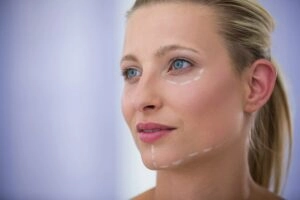
Facial expression has a significant impact on a person’s appearance. That is why a facelift is one of the most commonly performed and effective procedures when it comes to rejuvenating the face. However, there are risks. Learn about the consequences of a poorly performed facelift.
Why undergo a facelift?
Over time, the appearance and shape of the face change. The skin loses elasticity and radiance and, on the contrary, becomes flaccid. A facelift is performed to mitigate the passage of time and rejuvenate the expression thanks to skin tightening. This procedure can correct:
- Excess skin along the lower jawline.
- Sagging of the cheekbones.
- Sagging skin.
- Excess fat in the facial area.
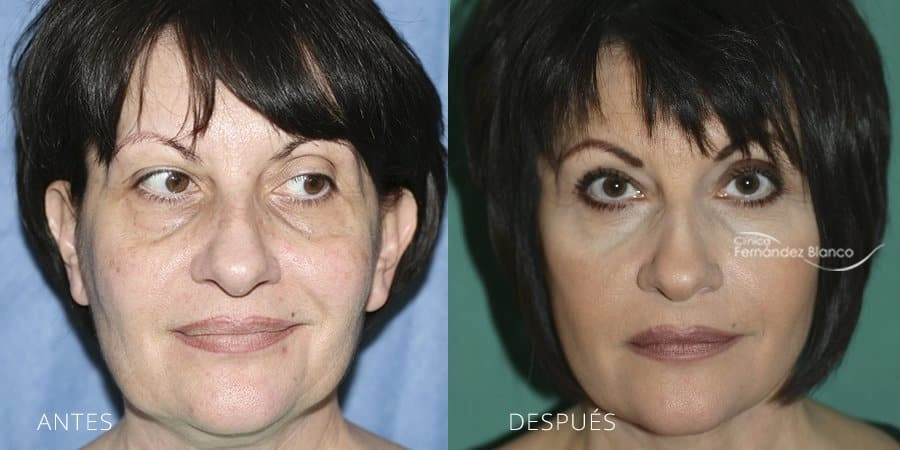
Factors that lead to a poorly performed facelift
The results of any surgical procedure depend on the surgeon’s skill, the patient’s characteristics, and the postoperative process (we recommend reading our post about the importance of postoperative follow-up). Poor diet, tobacco, and alcohol reduce the body’s ability to heal, which is why it is recommended to reduce consumption or stop altogether after surgery.
In addition, medications that thin the blood can affect its ability to clot and increase the risk of hematomas after surgery. For the procedure to be successful, it is essential to be honest with the surgeon and to strictly follow their instructions.
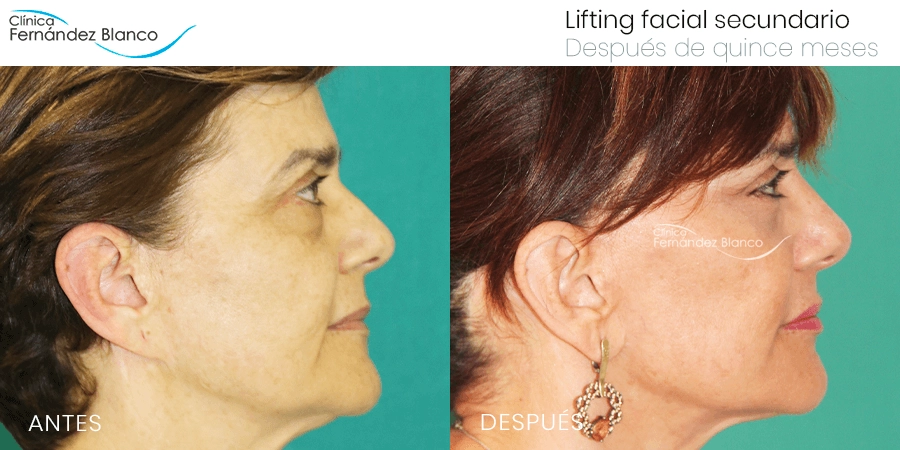
Did your facelift not turn out as you expected?
Schedule an appointment with our specialists in secondary facelift surgery!
Risks and side effects of a poorly performed facelift
Poor results that may appear after a facelift include:
- Hematoma: This is the most common complication of a facelift, but it is easy to resolve. It occurs when blood accumulates under the skin, causing swelling. It usually appears within the first 24 hours after surgery.
- Scarring: Any surgery leaves scars, but whether they are visible or not depends on the surgeon’s skill.
- Nerve injury: This is uncommon but undoubtedly one of the most serious negative outcomes. A poorly performed facelift can cause nerve damage to the facial muscles, leading to temporary or permanent paralysis and creating facial asymmetry.
- Alopecia: After a facelift, hair loss may occur in the areas where incisions were made. Alopecia may be temporary or permanent; however, it can be addressed with skin grafting with hair follicles.
- Necrosis and skin loss: This is rare, but a facelift can interrupt blood supply to facial tissues, causing peeling or necrosis.
Are you thinking about getting a facelift? Come to our clinics in Madrid and Marbella. Our team of professionals will be delighted to assist you and propose the solution that best suits your needs.
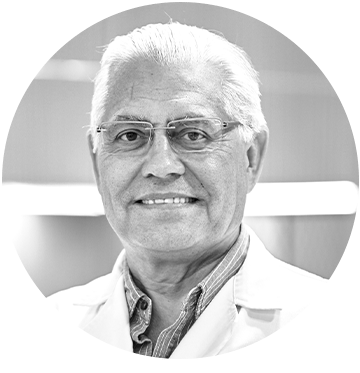
Dr. Alfredo Fernández Blanco
The plastic surgeon Dr. Alfredo Fernandez Blanco stands out in his branch of medicine, as the best breast surgeon, he is also a pioneer in the so-called secondary surgeries or sequelae. With more than 30 years of experience and thousands of successful cases, he continues to achieve the most natural results that can be expected in a cosmetic surgery operation.