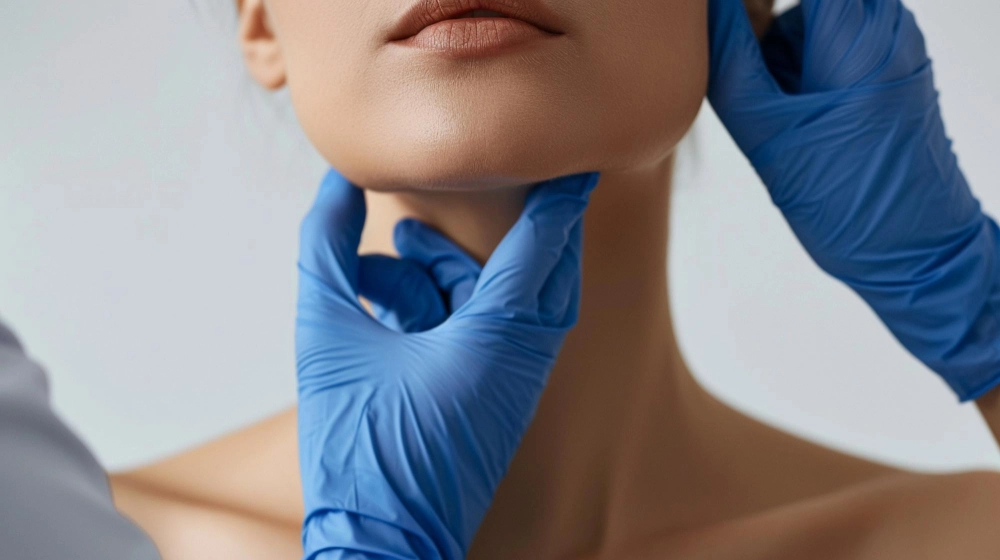
The removal of Bichat fat pads, or bichectomy, is an outpatient technique used to remove the Bichat fat pads, which are fat pockets located inside the cheeks.
How is a bichectomy performed?
To remove the Bichat fat pads, a small incision is made inside the cheek (about 2 to 3 cm), through which access is gained to the fat pad. By applying pressure from the outside of the face, the Bichat fat pads are extracted, and finally the sutures are placed.
- Hospitalization: Normally, hospitalization of the patient is not necessary.
- Type of anesthesia: Local anesthesia is used to remove the Bichat fat pads, except in cases where another more extensive procedure is performed simultaneously.
- Duration of the procedure: It lasts approximately 30 minutes and is very similar to a dental treatment.
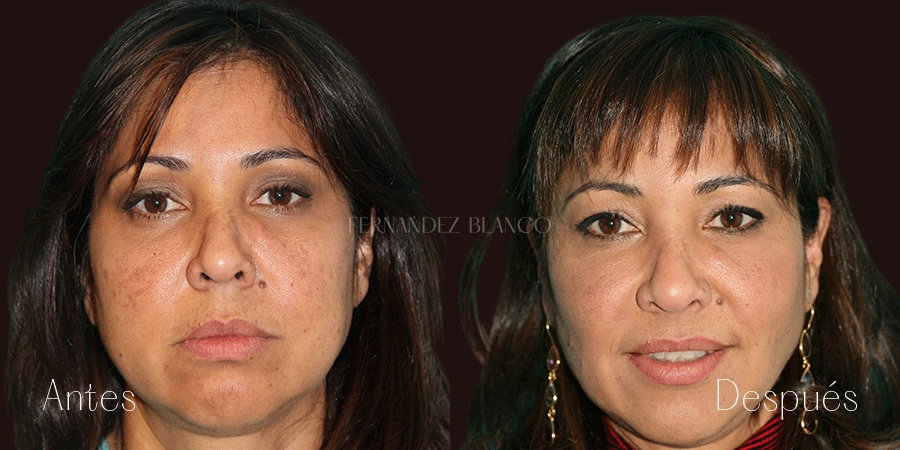
Postoperative care after Bichat fat pad removal
- Maintain hygiene of the treated area and the mouth in general to avoid infections.
- During the first days after surgery, you should not lift heavy objects or perform sudden movements.
- Avoid touching the incision with your tongue and massaging the cheeks, as complications could arise.
- Follow the medication treatment prescribed exclusively by the doctor.
- Encourage the intake of cold drinks and ice cream, which will help reduce swelling.
For the postoperative process, if the surgeon is skilled and the Bichat fat pad removal is performed precisely, recovery will undoubtedly not be painful, and the inflammatory process, which gradually decreases, will likely be minimal.
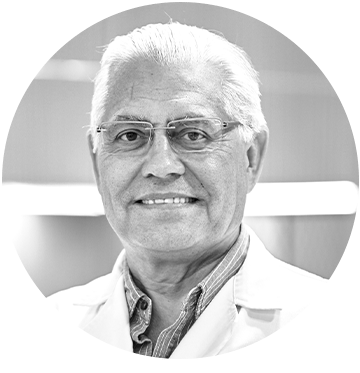
Dr. Alfredo Fernández Blanco
The plastic surgeon Dr. Alfredo Fernandez Blanco stands out in his branch of medicine, as the best breast surgeon, he is also a pioneer in the so-called secondary surgeries or sequelae. With more than 30 years of experience and thousands of successful cases, he continues to achieve the most natural results that can be expected in a cosmetic surgery operation.