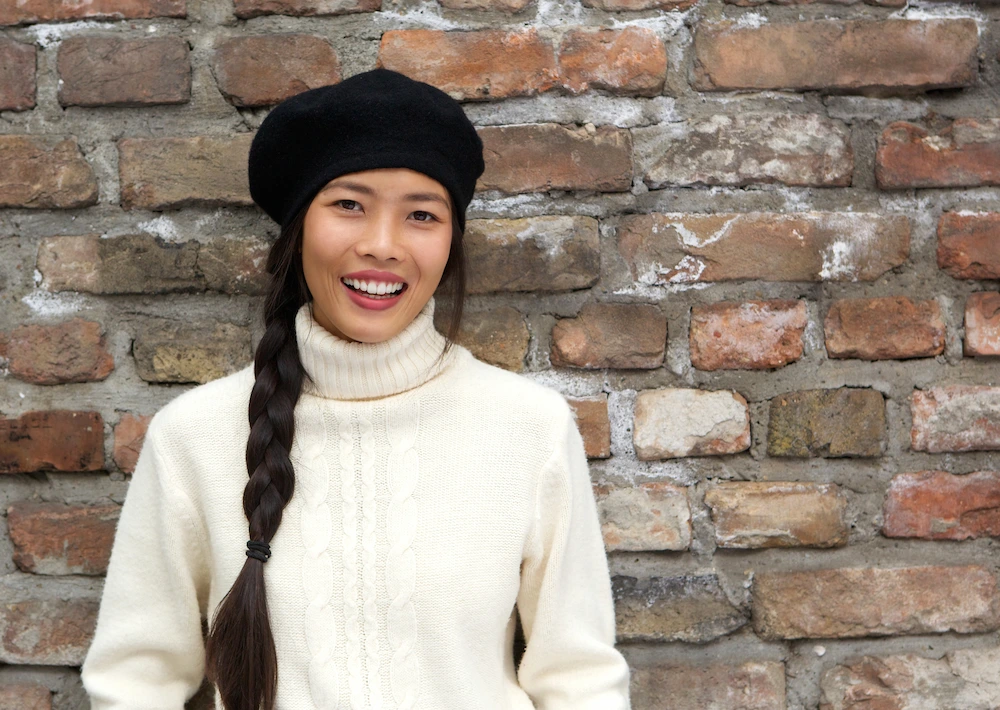
Young Koreans –whose culture is “K-pop” or Korean pop– use cosmetic surgery to unimaginable extremes, and have operations to look like their idols.
The soap operas broadcast on television are all the rage among audiences in Japan, India, Thailand, Singapore, the Philippines and Vietnam. A year before the Olympic Games in Beijing in 2008, Korean cultural content on Chinese TV surpassed all other foreign content.
South Korea’s contemporary cultural production –an industry that in 2012 exported entertainment worth 794 million dollars– positioned the country as a regional leader.
The International Society of Plastic Surgery placed South Korea in eighth place globally in the number of cosmetic surgeries. If the calculation is made per inhabitant, it is first in the world. The most common procedures are botox and hyaluronic acid injections, , liposuction and breast augmentation with implants. But among young people the popularity of blepharoplasty (cosmetic surgery of the eyelids, in this case rounding them in order to reduce Asian features and westernise the image) has grown.
The Korea JoongAng Daily conducted a survey which stated that 41% of adolescents between 13 and 19 years old said they were willing to have cosmetic surgery to make themselves more beautiful, 10 points more than those between 20 and 29 years old; 20 points more than those in their 30s and 30 points above those in their 40s. In 2011, the Ministry of Education produced a document to be circulated among secondary students to warn them about “plastic surgery syndrome”.
What was once a simple fact of life (that people come in different shapes and colours) is today cut short or changed by the needs of the market (that people must be the same so that the same product can be sold to them). Barbie has triumphed: what leads young Asian women to remove the oriental features of their eyes is the same thing that drives African women to try to whiten their skin. Such is the case of Valeria “Lera” Lukyanova, the Ukrainian who has had a large number of plastic surgeries to change her physiognomy until becoming a true Barbie, identical to her favourite doll.
Consumption and tastes are levelling out from Seoul to New York, from Brasilia to London and from Shanghai to Buenos Aires; the wealthiest sectors dress in the same brands, eat at the same global chains and use the same technology. Culture changes and this is what happens in globalised societies.
If you want more information, contact our communication team through our Facebook
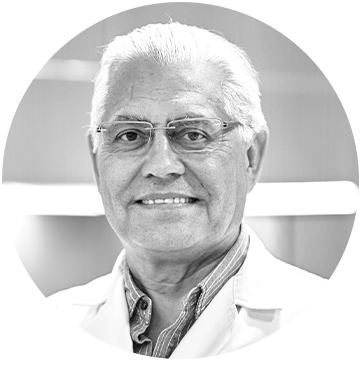
Dr. Alfredo Fernández Blanco
The plastic surgeon Dr. Alfredo Fernandez Blanco stands out in his branch of medicine, as the best breast surgeon, he is also a pioneer in the so-called secondary surgeries or sequelae. With more than 30 years of experience and thousands of successful cases, he continues to achieve the most natural results that can be expected in a cosmetic surgery operation.