If you are passionate about East Asian culture, the K-beauty phenomenon, or simply curious about why cosmetic procedures are so popular in countries like South Korea or Japan, you have likely heard of the double eyelid. Eye shape varies greatly depending on genetics, and when it comes to East Asian features, unique details in eyelid anatomy make all the difference.
Over 50% of East Asian eyes naturally lack a superior eyelid crease. Eyelids without a crease (commonly referred to as “monolids“) generally feature thicker skin and larger fat deposits than eyelids with a natural upper crease. Anatomically, this trait occurs simply because the levator muscle—which lifts the eyelid—does not attach directly to the outer skin. This creates a smooth surface without a fold, often accompanied by a subtle fat pad that gives the eye a flatter or hooded appearance.
When patients want to refine or define their eye area, they often turn to double eyelid surgery, a procedure specifically focused on adding an upper eyelid fold to give the eye a larger, more open, and rounded look (unlike traditional blepharoplasty).

Why is double eyelid surgery performed on Asians?

The primary goal of double eyelid surgery is to enhance eye aesthetics—creating a brighter, larger, and more expressive look while maintaining the natural harmony and essence of Asian features.

However, the decision goes beyond aesthetic trends. In many cases, it responds to functional and eye health concerns: a heavy eyelid or lack of a crease can cause eyelashes to turn inward and irritate the cornea (entropion), or create a sense of heaviness that obstructs vision over time. Thus, this procedure offers a perfect balance between aesthetic goals and functional benefits.

Because of its ability to subtly balance facial features, Asian double eyelid surgery has become one of the most requested cosmetic procedures for both men and women of East Asian descent.

Why must Asian blepharoplasty be performed by a specialist?

Double eyelid surgery, also known as Asian blepharoplasty, is a straightforward procedure when performed by a qualified specialist. However, as with any surgical procedure, inexperienced hands can lead to disastrous results.
The main reason is that the surgical objectives and techniques differ significantly from standard eyelid surgery. In traditional blepharoplasty, the primary goal is removing excess skin or fat deposits. Double eyelid surgery, on the other hand, requires creating a precise anatomical attachment from scratch between the skin and the levator muscle.
Consulting a plastic surgeon specialized in oculoplastics and Asian blepharoplasty is essential. It prevents the risk of designing a crease that is too high or deep—which can cause asymmetry, an unnatural appearance, or difficulty closing the eye (lagophthalmos)—ensuring a flattering, natural, and safe result.

How is this Asian eyelid surgery performed?

The procedure involves creating an upper eyelid crease by securing the skin to the underlying levator muscle, with minimal fat or skin removal only when necessary. It is performed as an outpatient procedure, meaning no hospital stay is required and patients return home the same day.
Asian blepharoplasty is typically conducted under local anesthesia with light sedation for maximum comfort, taking approximately 45 to 90 minutes. During surgery, the specialist makes strategic micro-incisions so that any fine scar tissue remains completely concealed within the new fold and virtually invisible to the naked eye.

When Do You See Double Eyelid Surgery Results?

The final result of the reconstructed crease becomes visible after the second month, when it takes on its definitive appearance, restoring shape and beauty to the eyes.
During the first 2 to 3 weeks, mild swelling and minor bruising are completely normal and will gradually subside. From month one onward, the crease line softens into a natural drape, revealing the harmonious final result once scar maturation is complete.

The Secret to Double Eyelid Surgery: Informed Choices & Expert Consultation

The true secret to achieving a natural, harmonious result lies in understanding how the procedure works and clearing up any questions before making a decision. Because every eyelid structure is unique, a prior medical consultation allows the surgeon to analyze your individual features, explain the exact technique, and determine the most suitable option to protect your eye health while keeping your look natural.
If you want to learn more about double eyelid surgery or are considering blepharoplasty in Madrid or Marbella, write to us at [email protected] or schedule a consultation without obligation at any of our clinics. Our specialized team will study your case in detail to answer all your questions and guide you with complete transparency.
Double Eyelid Fold: Surgery in Asians to Eliminate the Double Eyelid

Asian Blepharoplasty (Double Eyelid Surgery) FAQs

1. What post-operative care is essential after double eyelid surgery?

During the first 48 hours, applying controlled cold compresses and sleeping with your head elevated (at a 30–45 degree angle) are the most essential steps. Keep the area clean with saline solution, follow the topical antibiotic and anti-inflammatory treatment prescribed by your specialist, and wear UV-filter sunglasses to protect the healing scar. Avoid rubbing your eyes, strenuous exercise, or exposure to dusty environments for the first two weeks.

2. Is double eyelid surgery recovery painful?

No. The surgery is completely painless because it is performed under local anesthesia with light sedation so you remain fully relaxed. During recovery, you won’t feel severe pain; it is typical to experience only a mild tight sensation or slight discomfort, similar to having tired or dry eyes.

3. When can I wear contact lenses and eye makeup after surgery?

It is best to wait 10 to 14 days before wearing contact lenses again. Putting on or removing a lens requires pulling the eyelid skin, which can damage the healing scar. As for eye makeup (eyeshadow, mascara, eyeliner), it is advisable to wait two full weeks. This ensures the wound is completely closed and prevents cosmetic residue from entering and causing infections or skin marks.

4. What is the minimum age recommended for double eyelid surgery?

Because monolids are a natural genetic trait rather than an age-related issue, the procedure can be performed starting at age 18, once facial development is complete. Beyond reaching legal age, a professional medical evaluation is essential to confirm that the eyelid skin is ready and to set realistic expectations regarding the final result.

5. How long is the recovery time before returning to work?

The average return-to-work timeframe ranges between 7 and 10 days. By then, sutures will have been removed (typically between days 5 and 7), and most swelling and peripheral bruising will have faded or be easily concealed. However, for high-impact sports or direct sun exposure, waiting a minimum of one month is recommended.
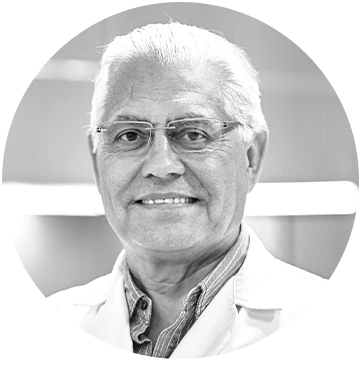
Firma del Doctor Fernández Blanco - Blog

Dr. Alfredo Fernández Blanco

The plastic surgeon Dr. Alfredo Fernandez Blanco stands out in his branch of medicine, as the best breast surgeon, he is also a pioneer in the so-called secondary surgeries or sequelae. With more than 30 years of experience and thousands of successful cases, he continues to achieve the most natural results that can be expected in a cosmetic surgery operation.

Clínica Fernandez Blanco Isotipo
Privacy Overview

This website uses cookies so that we can provide you with the best user experience possible. Cookie information is stored in your browser and performs functions such as recognising you when you return to our website and helping our team to understand which sections of the website you find most interesting and useful.