
Cereals are characterized by their varied nutrient content, which must appear on food labels. Researchers from the Complutense University of Madrid (UCM) have developed a method for more accurate detection of vitamins B1 and B2 in this food. Cereals are a staple product in diets around the world. Countless products are made from them. Their nutritional qualities, moderate price, easy cultivation, and filling effect make them an almost ideal food.
Experts from the Faculty of Pharmacy at the Complutense University of Madrid (UCM) developed a highly innovative method that improves the accuracy of measuring the vitamin content of cereals. The study has been published in the Journal of Cereal Science.
The vitamins and minerals in cereals can be lost during the cereal processing. Cereals can be used to make everything from pizza bases to cookies, pasta, baked goods, puffed cereals, and can even be involved in making beverages such as whisky or beer.
Cereals are an accessible food for the vast majority of the world’s population and have very good nutritional characteristics, making them the cornerstone of almost every diet in the world. They provide fiber, sugars, vitamins, and minerals.
Cereals contain:
Proteins: they make up between 8% and 16% of their composition, although this depends on the species and variety of cereal. In general, cereals are low in amino acids. The most notable protein in cereals is gluten.
Carbohydrates: they are the main source of carbohydrates, both slow-absorbing and fast-absorbing.
Fats: cereals are low in fat, with an estimated content of 4%, although this also depends on the type of cereal. Corn is one of the lowest in fat.
Vitamins: cereals contain high doses of B vitamins, as well as folic acid and vitamin E in the germ, which is lost during milling. They lack vitamin A.
Minerals: they are rich in calcium, phosphorus, iron, and also in potassium, zinc, and silicon.
Water: they are foods with a low water content.
If you would like to know more about the importance of cereals in our diet and how you should eat them, consult our nutrition specialist, book your appointment at https://www.drfernandezblanco.com/solicitar-cita/ or send us an email at contacto@drfernandezblanco.com
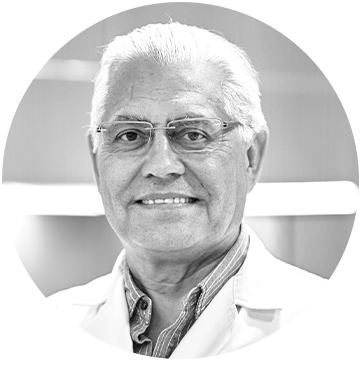
Dr. Alfredo Fernández Blanco
The plastic surgeon Dr. Alfredo Fernandez Blanco stands out in his branch of medicine, as the best breast surgeon, he is also a pioneer in the so-called secondary surgeries or sequelae. With more than 30 years of experience and thousands of successful cases, he continues to achieve the most natural results that can be expected in a cosmetic surgery operation.